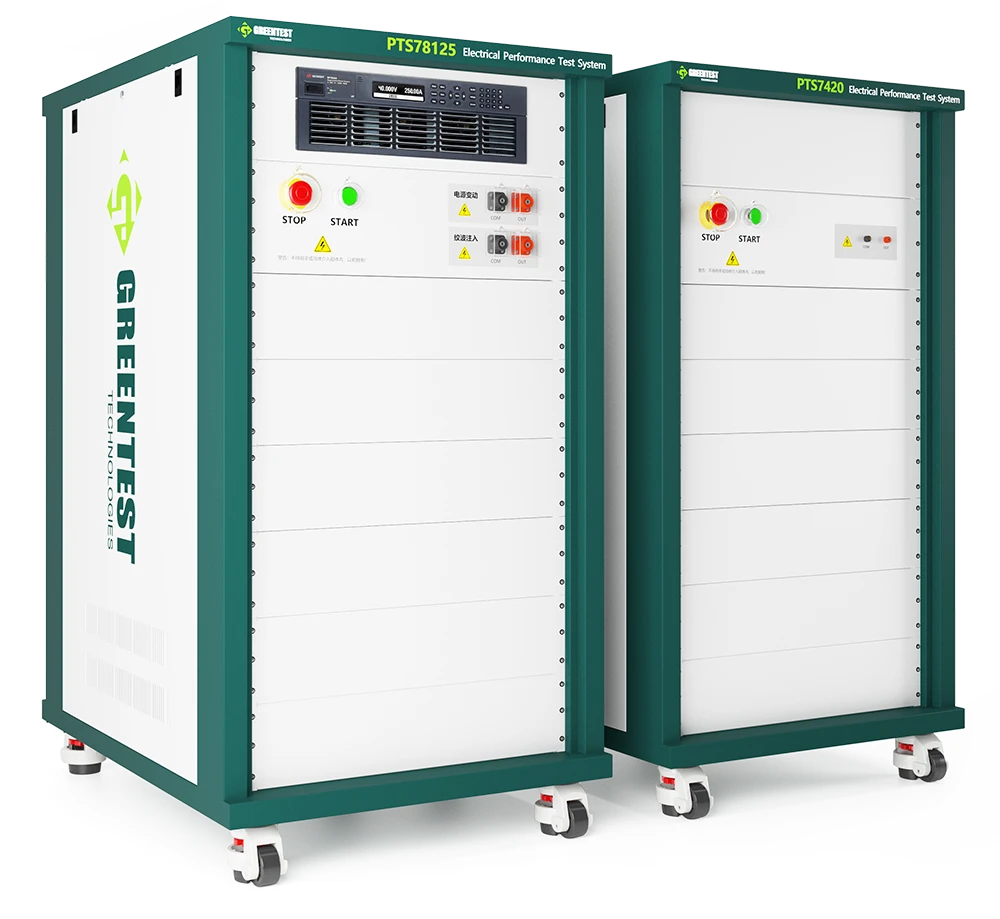
Comparative Analysis of Superimposed AC Voltage (Ripple Voltage) Test Differences
ISO 16750-2:2023, GB/T 28046.2-2019(ISO 16750-2:2012)
VW 80000:2021, MBN LV124-1 2013
GB/T 45120-2024(ISO 21780:2020), MBN LV148 2013
2. Test Parameters
Superimposed AC Voltage Test Difference Comparison 1: Sweep Method
| Standard Number |
GB/T 28046.2-2019 |
VW 80000:2021 |
MBN LV124-1 2013 |
MBN LV148 2013 |
| Test Item |
4.4 Superimposed AC Voltage |
5.4.8 E-06 Ripple voltage |
6.6 E-06 Superimposed alternating voltage |
3.6 E48-05 Superimposed AC voltage |
| Operating Mode |
Not explicitly specified |
Drivingmax
Maximum Load Mode
|
Operating mode II.c
Maximum Load Mode
|
Operating mode II.c
Maximum Load Mode
|
| Test Voltage |
12V System: USmax=16V
24V System: USmax=32V
|
Vopmax=16V/9.8V/9V/6V |
UBmax=16V |
V48min,unlimited=36V
V48max,unlimited=52V
|
| Frequency Range |
50Hz~25kHz |
case1~3:15Hz~30kHz
case4:30kHz~200kHz
|
15Hz~30kHz |
case1:15Hz~30kHz
case2:30kHz~200kHz
|
| Sweep Method |
Triangular, Logarithmic |
Triangular, Logarithmic |
Triangular, Logarithmic |
Triangular, Logarithmic |
| Cycle Count |
5 |
15 |
15 |
15 |
| DUT Quantity |
Not explicitly specified |
≥6 |
≥6 |
6 |
|
Test Case
(Low Frequency)
|
Frequency Range |
50Hz~25kHz |
15Hz~30kHz |
15Hz~30kHz |
15Hz~30kHz |
| Vpp |
12V System: 1Vpp/4Vpp/2Vpp
24V System: 1Vpp/4Vpp/10Vpp
|
case1:2Vpp
case2:3Vpp
case3:6Vpp
|
case1:2Vpp
case2:3Vpp
case3:6Vpp
|
6Vpp
|
| Sweep Time |
2min |
2min |
2min |
2min |
|
Test Case
(High Frequency)
|
Frequency Range |
/ |
30kHz~200kHz |
/ |
30kHz~200kHz |
| Vpp |
/ |
1Vpp |
/ |
2Vpp
|
| Sweep Time |
/ |
10min |
/ |
2min |
| Other |
/ |
Ri≤100mΩ
|
Ri≤100mΩ |
Ri=60mΩ |
Superimposed AC Voltage Test Difference Comparison 2: Step Injection
| Standard Number |
ISO 16750-2:2023 |
GB/T 45120-2024(ISO 21780:2020) |
|
Test Item
|
4.4 Superimposed alternating voltage |
Test-09: Voltage Ripple |
| U0 |
U0= USmax - Upp/2
U0= USmin + Upp/2
|
31V≤U0≤54V |
| Test Combination |
/ |
f1:U0=35V and 50V
f2:U0=34V and 51V
f3:U0=32V and 53V
|
| Frequency Range |
f1: 10Hz-30kHz
f2: 30kHz-200kHz
|
f1:10Hz-1kHz
f2:1kHz-30kHz
f3:30kHz-200kHz
|
| Frequency Step |
Logarithmic Step 2% |
Logarithmic Step 2% |
| Limit Upp/Ipp |
f1: Severity level 1,
6V±0.2V/15A(12V System)
10V±0.2V/15A(24V System)
f1: Severity level 2,3V ± 0.2V/15A
f1: Severity level 3,2V ± 0.1V/15A
f2: Severity level 4,1V ± 0.1V/10A
|
f1:8V±0.16V/80A
f2:6V±0.12V/15A
f3:2V±0.04V/10A
|
| Cycle Count |
1 test sequence per test combination |
Once per test combination
|
| Reference Test |
| Operating Mode |
3.3 (Minimum Load Operating Mode) |
2.3 (Minimum Load Operating Mode) |
| Test Method |
1. The power supply superimposes AC voltage ripple UR on U0, UR gradually increases until reaching the DUT's maximum voltage ripple Upp or maximum current limit Ipp
2. Record the power supply voltage ripple UR determined for each frequency step
|
1. The power supply superimposes AC voltage ripple UR on U0, UR gradually increases until reaching the DUT's maximum voltage ripple Upp or maximum current limit Ipp
2. Record the power supply voltage ripple UR determined for each frequency step
|
| Voltage Ripple Test (Injection Test) |
| Operating Mode |
3.2 (Typical Operating Mode) |
2.2 (Typical Operating Mode) |
| Injection Method |
Step mode, frequency step is logarithmic 2% step |
Step mode, frequency step is logarithmic 2% step |
| Test Time |
Dwell time ≥2s |
Dwell time ≥2s |
| Impedance Test |
Measure DUT impedance before and after test |
Measure DUT impedance before and after test |
| Test Method |
1. Apply the voltage ripple UR corresponding to each frequency step determined in the reference test to the DUT, dwell time ≥2s per frequency point
2. Even if the current limit Ipp is exceeded, the voltage ripple UR should not be reduced
|
1. Apply the voltage ripple UR corresponding to each frequency step determined in the reference test to the DUT, dwell time ≥2s per frequency point
2. Even if the current limit Ipp is exceeded, the voltage ripple UR should not be reduced
|
| Requirement |
Functional Status A
DUT impedance deviation before and after test should not exceed agreed tolerance
|
FC Category I components comply with FS1 functional status requirements
FC Category II, IV components comply with FS2 functional status requirements
FC Category III components comply with FS3 functional status requirements
DUT impedance deviation before and after test should not exceed defined standard tolerance
|