电磁兼容性( EMC )指电气设备或系统运行时,对其所处的电磁环境不产生干扰或抵抗电磁环境干扰的能力。 EMC 是评价产品质量好坏的重要标准之一。为了以最为经济的方式保证产品的 EMC 质量,应该在产品设计初期采取适当的措施。根据定义, EMC 被分为电磁干扰( EMI )、电磁抗扰度或敏感度( EMS )。法规规定应满足 EMI 的最大值和 EMS 最小值。相关标准中对于可用的限值、采用的测量方法和仪器都作出了规定。
电磁兼容性( EMC )指电气设备或系统运行时,对其所处的电磁环境不产生干扰或抵抗电磁环境干扰的能力。 EMC 是评价产品质量好坏的重要标准之一。为了以最为经济的方式保证产品的 EMC 质量,应该在产品设计初期采取适当的···
The core essence of Electromagnetic Compatibility (EMC) refers to the ability of electronic equipment to function normally in an electromagnetic environment without causing interference to other devices. As a technical means to evaluate this capability, EMC testing verifies the electromagnetic compatibility of equipment through scientific methods, serving as a crucial technical link to ensure the collaborative operation of electronic systems.

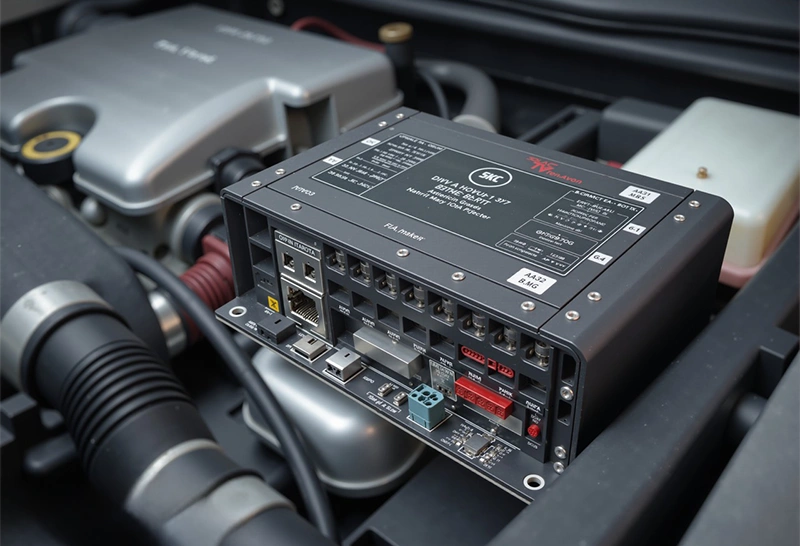
As the core component of the power distribution system in new energy vehicles, the electromagnetic compatibility (EMC) of the Vehicle PDU (High Voltage Power Distribution Unit) is directly related to the safety and reliability of the entire vehicle. This article systematically analyzes the necessity of EMC testing, including regulatory compliance requirements, product reliability assurance, and market access needs. It provides a detailed comparison of the latest domestic and international standard systems (such as CISPR 25:2021 and GB/T 18655-2025), elaborates on core test items such as conducted emissions, radiated emissions, radiated immunity, and bulk current injection (BCI).
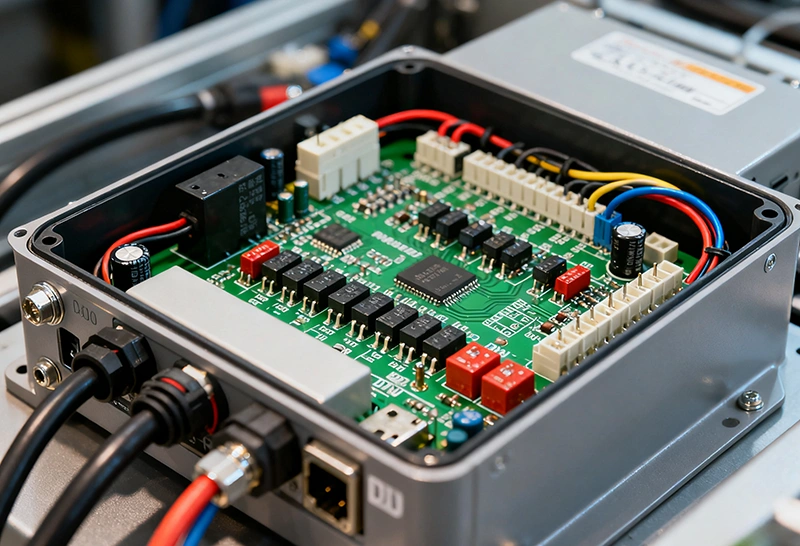
The electromagnetic compatibility testing of vehicle OBCs must meet multi-level regulatory requirements from international to enterprise levels. The revision and implementation timelines of standards directly affect the product launch cycle and compliance. Regulatory requirements exhibit a clear hierarchical progression structure: international standards form the basic framework, regional standards are the market access threshold, and enterprise standards further refine technical requirements.
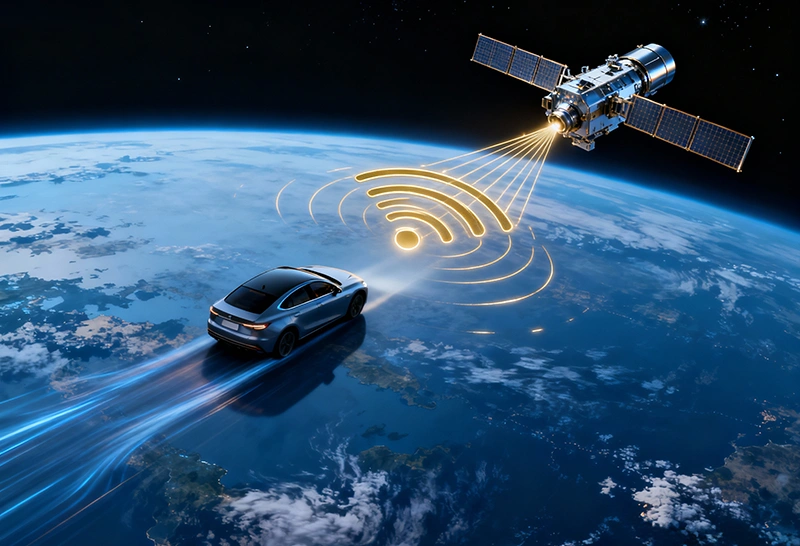
With the rapid development of intelligent connected vehicles and autonomous driving technology, the Global Navigation Satellite System (GNSS), as the core component of location services, has become a key device for intelligent driving. Its positioning accuracy and reliability are directly related to vehicle safety. GNSS is irreplaceable in safety functions such as Accident Emergency Call Systems (AECS) and serves as an important foundation for ensuring vehicle safety operation.
The core essence of Electromagnetic Compatibility (EMC) embodies a dual attribute of "interference and immunity," meaning that electronic equipment or systems can operate normally in their electromagnetic environment without causing unacceptable electromagnetic interference to other devices in that environment. This attribute manifests in two aspects: on one hand, the equipment needs the ability to resist external electromagnetic interference (Electromagnetic Susceptibility, EMS); on the other hand, the equipment itself should not generate electromagnetic interference exceeding standards (Electromagnetic Interference, EMI).
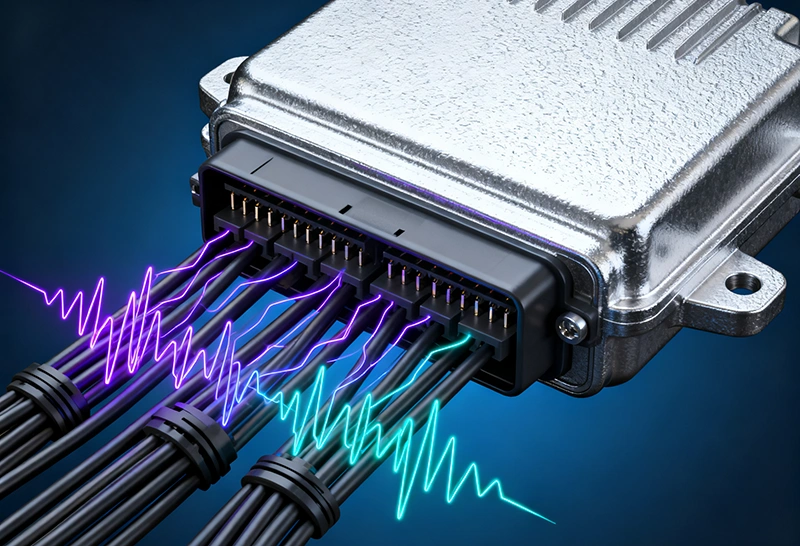
Since 2018, the European Union has mandated all new vehicle models to be equipped with eCall systems. China has also initiated the development of national standards for "In-Vehicle Emergency Call Systems," where EMC testing serves as a mandatory requirement for product market access.
During accidents, eCall systems must reliably transmit location information and the Minimum Set of Data (MSD). Electromagnetic interference may cause communication failures, jeopardizing emergency response timelines.
International markets (e.g., the European Union and Russia) require compliance with standards such as UN R10 and CISPR 25, while the domestic market in China must adhere to standards like GB 34660 and GB/T 18655.
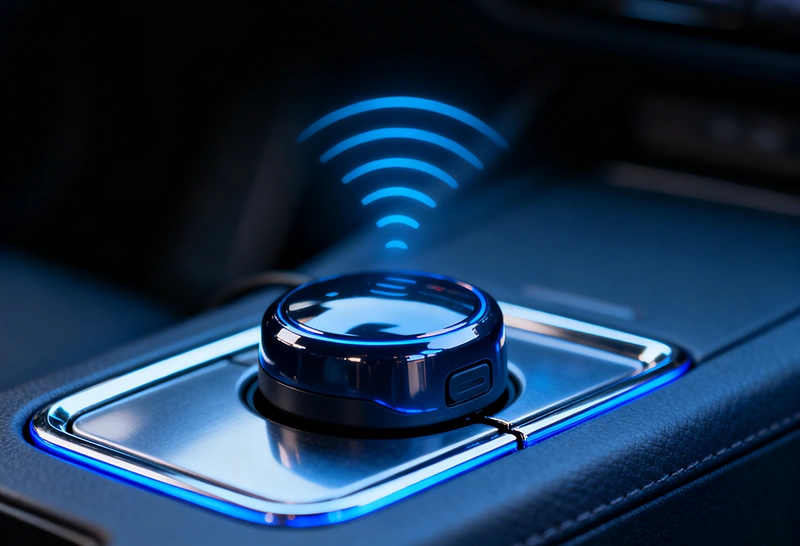
As a critical node in the vehicle power supply network, the onboard DC-DC converter performs core power conversion functions within automotive electronic systems. For instance, it converts high-voltage power (such as 400V to 1500V from battery packs in new energy vehicles) to low-voltage levels (12V to 48V), delivering stable and reliable power supply to onboard electronic devices (e.g., infotainment systems, sensors, lighting equipment, etc.).